
Best Gambling Sites in 2025: Top Rated Online Casinos for Real Money Wins
Picture yourself after a long week, settling into your favorite chair with your phone in hand, ready to unwind—and a gambling site offers that instant, private escape where you can place a bet on a live match or spin a slot reel without leaving home. These platforms work by letting you deposit funds securely, choose from thousands of games or sports events, and then watch your balance update in real time as outcomes unfold. The core benefit is convenience paired with choice, giving you a personalized, on-demand experience that fits naturally into your schedule. To get started, simply create an account, make a small deposit, and explore low-stakes options first to find what feels comfortable for you.
What Exactly Are Online Wagering Platforms and How Do They Function?

Online wagering platforms are digital interfaces that connect you to a sportsbook or casino’s core betting engine, where your stake is matched against pre-set odds or a live market. They function by converting your deposit into a virtual balance, then executing a bet the moment you confirm a selection—instantly locking the odds you see on screen. Settlement occurs automatically once the event finishes, with winnings credited directly to your balance or lost funds deducted without manual intervention. Crucially, live betting platforms use a real-time data feed to refresh odds every second, and your wager is only accepted if the price hasn’t shifted before submission. The entire loop—from deposit to payout—runs through a random number generator or an odds compiler, ensuring each transaction is final and verifiable in your bet history. No actual cash moves until you request a withdrawal, and even then, the site works as an escrow, clearing funds only after validating your wager’s outcome against its own records.
The Core Mechanics: How Wagers Are Placed and Settled Digitally
Placing a wager on a modern gambling site is a near-instant process driven by a digital odds engine that locks your stake the moment you confirm. You select a market, input your stake, and the system validates it against your available balance before generating a unique bet slip ID. Settlement is equally automated: when an event concludes, the platform’s results feed cross-references official data, and winnings are credited directly to your account wallet. Digital wager settlement relies on encrypted transaction logs that ensure every payout is traceable and irreversibly recorded. Crucially, voided bets or cash-outs are recalculated in real time, altering your balance without human intervention. The entire cycle—from stake deduction to payout release—typically completes in under a minute post-result, removing any manual delay or dispute window unless a flagged anomaly occurs.
- A bet slip is confirmed only after the system best crypto casinos re-checks current odds and your available funds simultaneously.
- Settlement triggers a two-step ledger update: debiting your stake at acceptance, then crediting winnings upon official result ingestion.
- Cash-out values are computed dynamically from live market movement, locking a profit or reduced loss when you click the button.
- Every transaction writes an immutable timestamp and bet ID, creating a digital audit trail for instant dispute resolution.
Understanding Random Number Generators and Game Fairness in Digital Casinos
At the core of every trustworthy digital casino lies the Random Number Generator (RNG), a cryptographic algorithm that ensures each spin, card deal, or dice roll is statistically independent and unpredictable. These systems are continuously tested by independent auditors who analyze millions of outputs to verify that no pattern or bias exists. For a player, understanding that a provably fair RNG uses a seed value combined with a server secret and a client nonce allows you to personally verify the outcome of any round. This means that past results never influence future ones, and the house edge is mathematically fixed, not dynamically manipulated. By confirming that a site publishes its RNG certification and permits third-party verification tools, you directly assess whether the games you wager on offer genuine, unbiased randomness.
Different Types of Virtual Betting Hubs: Sportsbooks, Casinos, and Hybrids
Virtual betting hubs fall into three practical categories. Sportsbooks focus exclusively on athletic events, offering pre-match odds, live in-play lines, and prop bets across leagues like football or basketball. Casinos, by contrast, center on RNG-driven games—slots, blackjack, roulette, and poker—where outcomes depend on random number generators or live dealers. Hybrid platforms merge both, letting users switch between a match bet and a card game within a single wallet, often featuring cross-promotions like free spins tied to a wager. Each hub type requires different bankroll strategies: sportsbooks demand research on form, while casino games rely on house-edge awareness. Hybrids suit players who want flexibility without managing multiple accounts.
Choose a sportsbook for event odds, a casino for chance games, or a hybrid for combined access to both wagering styles.
Key Features to Look For When Selecting a Reliable Betting Website
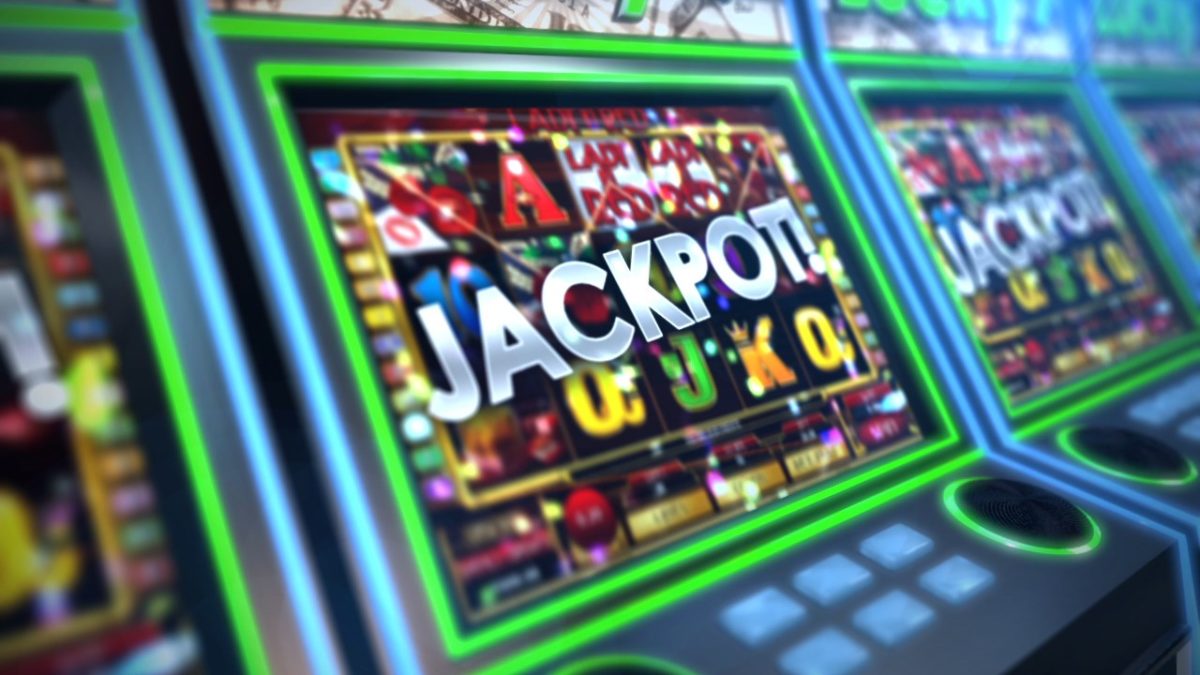
When evaluating gambling sites, prioritize platforms offering transparent, fast payout processing with multiple withdrawal options, as delayed cashouts signal poor reliability. A robust in-play betting interface with live odds updates and minimal lag is essential for real-time wagering, while competitive margins across major leagues indicate fair value. Check for customizable bet limits, cash-out features, and a comprehensive bet builder—these tools show the site respects user control. Equally critical is responsive, 24/7 customer support accessible via live chat, tested with specific queries. Finally, ensure the platform provides a dedicated mobile app or fully optimized browser experience, because seamless navigation and stable connectivity under high traffic are non-negotiable for uninterrupted wagering. These key features to look for when selecting a reliable betting website directly impact your ability to bet efficiently and withdraw winnings without friction.
Payment Methods: Finding Platforms with Fast Deposits and Withdrawals
When evaluating gambling sites, prioritize platforms offering instant withdrawal processing for e-wallets and cryptocurrencies, as bank transfers often lag by days. Check the cashier page before depositing—if the site lists payment methods like Skrill, PayPal, or Bitcoin, test the withdrawal speed with a small amount first. Avoid platforms that impose manual review periods or hidden fees on payouts, which typically indicate slow liquidity. Look for 24/7 automated cashouts and zero minimum withdrawal limits, ensuring your funds aren’t trapped. A reliable site will display average processing times transparently, letting you choose the fastest route for your money.
- Prioritize e-wallets and crypto for near-instant payouts over card or bank transfers.
- Verify whether withdrawals are automated or require manual approval, which creates delays.
- Scan for fee-free cashouts and same-day processing guarantees before committing.
- Test with a small withdrawal immediately after signing up to gauge real speed.
User Interface and Mobile Compatibility: Why Layout Affects Your Experience
A cluttered or confusing layout directly increases your risk of mis-tapping a wager or struggling to locate cash-out options during live play. On gambling sites, mobile-optimized navigation ensures that buttons are sized for thumb reach and menus collapse logically, preventing accidental double-bets. A responsive design must preserve odds readability and bet-slip functionality across screen sizes, especially when switching from portrait to landscape. Slow-loading frames or overlapping pop-ups on smartphones can freeze your stake confirmation at critical moments. Prioritize sites that offer a streamlined, consistent interface, because every extra scroll or hidden tab introduces friction that can compromise both your speed and decision-making accuracy.
Bonuses and Promotions: How to Spot Genuine Value Versus Empty Offers
Bonuses and promotions often hide their true cost behind wagering requirements. A 100% match with a 40x rollover demands you wager your deposit and bonus forty times—far riskier than a modest 20% boost with 5x terms. Scrutinize contribution percentages: slots usually count 100%, but table games may contribute as little as 10%. Also, check maximum bet ceilings and expiry windows; a seven-day deadline forces reckless play. Genuine value emerges only when the effective house edge after bonus clears is calculable. Follow this sequence:
- Divide the bonus by the wagering requirement to assess real cash value.
- Multiply that figure by the game’s house edge to estimate expected loss.
- Compare the net profit against time limits and excluded games before accepting.
Empty offers thrive on opacity—if terms are vague, walk away.
How to Get Started: A Step-by-Step Guide for First-Time Users

Begin by selecting a reputable platform and completing its registration form, ensuring your details match your ID for later verification. Next, navigate to the cashier section to make your first deposit, choosing a payment method like a card or e-wallet, and check if a welcome bonus requires a specific promo code. After funds appear, head to the game lobby and try a free-play or demo mode for slots, or place a low-stakes bet on a table game to learn the interface. Finally, locate the withdrawal page before wagering to confirm the minimum limits and document requirements, ensuring you can access winnings later. Q: How do I verify my account? A: Usually, you upload a photo ID and proof of address in the “Profile” or “KYC” section, and most sites approve within 24 hours.
Creating an Account: What Information Is Required and Why
When creating an account on a gambling site, you must provide your full legal name, date of birth, email address, and a unique username. The name and birth date are required to verify you meet the legal gambling age and to confirm your identity during withdrawals. Your email serves as the primary login identifier and the channel for sending verification links and transaction alerts. Additionally, you’ll need to set a strong password and, in most cases, a phone number for two-factor authentication. This information is collected to prevent fraud, combat underage access, and ensure payouts are sent to the rightful owner.
Creating an account requires legal name, birth date, email, and phone number to verify identity, enforce age limits, and secure financial transactions.
Navigating the Lobby: Choosing Games or Events That Fit Your Skill Level
When you first enter the lobby, filter games by volatility and rule complexity rather than flashy graphics. Look for titles labeled “low stakes” or “beginner tables” to ease into mechanics without burning your bankroll. For skill-based options like poker or blackjack, check the lobby for “practice mode” or “novice” rooms, where opponents are less seasoned. Event-based bets, such as live sports, require a deeper understanding of team dynamics, so start with simple moneyline wagers before exploring props or spreads. This targeted approach ensures your early sessions align with your current experience, reducing frustration and premature losses.
- Use the “sort by difficulty” or “game type” filter to isolate beginner-friendly slots and table games.
- For live dealer events, watch a few rounds in “observer mode” before joining a low-limit table.
- Match event complexity to your knowledge: choose 1×2 bets for sports you follow closely, not exotic parlays.
Managing Your Bankroll: Practical Tips for Setting Deposit Limits
Before placing your first wager, decide on a fixed monthly amount you can afford to lose, then set that figure as your deposit limit within your account settings. Many sites let you adjust this daily, weekly, or monthly, so choose the shortest period that keeps you disciplined. **Practical bankroll management** starts with making the limit non-negotiable; once reached, stop playing entirely. Use separate payment methods or prepaid cards to add friction to adding funds. Review your limits every few months, but only lower them, never raise them impulsively after a loss. Setting deposit limits protects your finances while keeping gambling recreational.
Q: Should I set a deposit limit if I only gamble occasionally?
A: Yes. Even occasional players benefit from a small, predefined cap, preventing a spur-of-the-moment top-up after a losing session.
Maximizing Your Odds: Strategies to Improve Your Play on Betting Portals
You’re not playing the house—you’re playing the portal’s architecture. To truly maximize your odds, stop chasing parlays and start exploiting line shopping, where the same event pays differently across tabs. On gambling sites, your edge lives in the gap between bookmakers’ margins. Bankroll staking turns this into survival: flat-bet 1–2% per wager, never chase a loss with a double-down. Watch for cash-out timing—the portal’s algorithm reprices your slip mid-game, so grab profit when the momentum swings, not when the timer blinks red. Track every bet in a spreadsheet, noting the odds at placement versus closure; this exposes which sports and markets the site’s model undervalues. Also, toggle between pre-match and live—in-play odds often lag real-time fatigue, giving you a beat on the market. The trick isn’t luck; it’s treating the portal as a flawed pricing engine and your discipline as the wrench.
Understanding House Edge and Return-to-Player Percentages on Various Games
Understanding the house edge and return-to-player percentages is your first tactical lever on any betting portal. Before wagering, check each game’s RTP—slots typically list 96–98%, while blackjack with basic strategy can push 99.5%. The house edge is simply the inverse: a 2% casino advantage means you lose $2 per $100 wagered over time. Choose games with the lowest edge—craps pass-line bets (1.41%) and baccarat banker (1.06%) outperform roulette’s 5.26% on double-zero. Never play high-volatility slots without confirming their RTP, as a 94% return silently drains your bankroll. Always filter game lobbies by RTP and avoid side bets, which often carry edges above 10%.
Master the math: lower house edge equals higher RTP, so prioritize games like blackjack and baccarat, and always verify displayed percentages before betting.
Leveraging Live Betting and In-Play Features for Smarter Wagers
To leverage live betting effectively, track the match flow rather than the scoreboard—momentum shifts, substitutions, or fatigue often create mispriced markets. Instead of pre-match odds, monitor the in-play price movement; a sudden drop on a heavy favorite may signal sharp money, not a goal. Use cash-out features strategically to lock profit when the live probability of your wager dips below your entry point. Focus on micro-markets like next corner or next card, where in-play data (possession, pressure) gives you a sharper edge than the bookmaker’s algorithm. Real-time statistical overlays on the portal let you compare expected goals against current odds, flagging overvalued sides. Avoid betting during fast breaks—wait for stoppages to analyze the shift calmly.
Live betting rewards those who read the game’s flow, not just the numbers—pinpoint mispriced markets and exit via cash-out when the edge fades.
Using Free Play and Demo Modes to Practice Before Spending Real Money
Before committing a single dollar, exploit the free play and demo modes that most betting portals offer. These zero-risk environments mirror real-market odds and interface mechanics, letting you test bankroll pacing and bet sizing without financial exposure. Treat demo sessions as serious drills: log your virtual wins and losses to identify leaks in your strategy. Once comfortable, transition to real stakes armed with proven patterns from your practice. This rehearsal reduces emotional decision-making and sharpens your timing for live wagers. Every minute spent in free mode is a direct investment in higher odds when your actual money is on the line.
Common Pitfalls and Practical Answers to Frequent User Questions
A major pitfall is chasing losses after a big spin, which often leads to reckless stakes. To avoid this, set a strict loss limit before you start and stop immediately once it’s hit. Another frequent question is, “Why is my withdrawal pending?” – the answer is usually identity verification not yet completed, so upload your documents upfront. If a game seems to freeze, refresh after checking your connection; never double-click the bet button, as this creates duplicate wagers. Always read the bonus wagering requirements aloud before claiming anything, or you’ll face surprise restrictions when cashing out. Finally, if you suspect a technical glitch, screenshot the screen and contact support within 24 hours—that proof is your only leverage for a refund.
What Should You Do If a Withdrawal Is Delayed or Rejected?
When a withdrawal stalls or bounces back, your first move is to check the cashier’s transaction history for a status note—like “pending review” or “failed.” If it’s rejected, re-verify your payment method details, as a single mismatched name or expired card is the usual culprit. Next, confirm you’ve met all wagering requirements; a hidden rollover is the top reason for denials. If everything looks clean, contact live chat with your transaction ID and ask for a specific timeline. **Avoid resubmitting multiple times**, as this can trigger fraud alerts. Withdrawal delay troubleshooting works best when you document every communication and escalate to a manager if support gives vague answers. Pending status beyond 72 hours? Request an expedited review.
Q: What should you do if a withdrawal is delayed or rejected?
A: Check the status, fix any payment mismatches, verify bonus terms, then contact support with your transaction ID—escalate politely if they stall, and never cancel-and-retry repeatedly.
How to Identify if a Platform Is Rigged or Experiencing Technical Glitches
Notice when outcomes defy probability in consistent, repeating patterns—a sure sign of a rigged system rather than a random glitch. Track your session logs: if bets settle before you confirm or odds shift mid-wager, that’s a technical fault, not manipulation. Check if errors vanish after clearing your cache or switching devices; persistent failures across all platforms point to rigged algorithms or server-side tampering. Genuine glitches are chaotic, while rigged behavior follows a hidden logic. Use this quick sequence to test any suspicion:
- Record 20–30 outcomes and compare them against stated return-to-player percentages.
- Force a disconnect mid-bet and see if the stake is restored or silently confiscated.
- Run identical bets on a separate account or device to isolate the issue.
Are There Hidden Fees or Wagering Requirements You Should Know About?
Yes, hidden fees and wagering requirements are the most common pitfalls on gambling sites, and they are often buried in terms you skim past. Wagering requirements dictate how many times you must bet a bonus before withdrawing any winnings—a 35x playthrough on a $100 bonus means $3,500 in bets, not $100. Fees typically surface at cashier checkouts: credit card deposits may carry a 2–5% surcharge, while withdrawals via e-wallets or bank transfers often incur flat fees, especially for amounts below the site’s minimum. To avoid surprises, always check the bonus’s contribution percentages—slots usually count 100%, but table games may count 10% or zero. Hidden fees also appear as inactivity charges after 90 days of no logins, silently deducting your balance. Review the cashier page and bonus terms before committing funds; otherwise, a “free” offer can drain your bankroll through unstated costs.
- Read the full bonus terms to calculate the effective playthrough cost.
- Check the deposit and withdrawal fee table for your chosen payment method.
- Set a calendar reminder to log in monthly and avoid dormancy penalties.
